The Power of Lean: Maximizing Value by Eliminating Waste
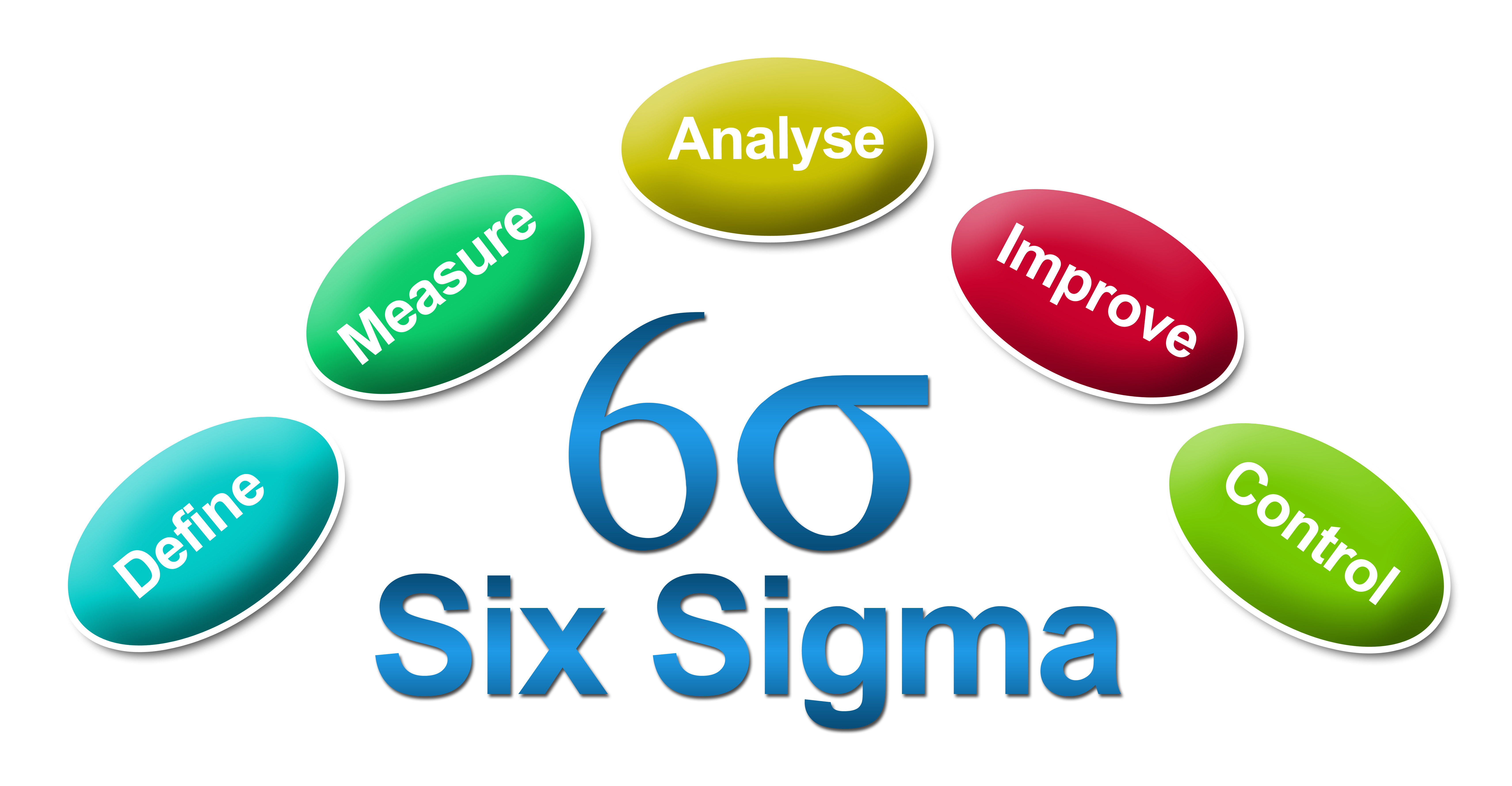
In today’s volatile market, the most successful companies aren’t necessarily those with the most resources, but those that use their resources most effectively. Lean business methodology, originally pioneered in manufacturing, has evolved into a sophisticated management philosophy applicable to every industry—from tech startups to healthcare. At its core, Lean is about a relentless focus on value from the customer’s perspective and the systematic elimination of anything that doesn't contribute to it.
The Five Core Principles of Lean
To implement a Lean strategy, leadership must align around five fundamental pillars:
1. Define Value: Identify what the customer is actually willing to pay for. Anything else is "Muda" (waste).
2. Map the Value Stream: Analyze the entire lifecycle of your product or service. Where does the work stall? Where are the redundant approvals?
3. Create Flow: Ensure that once value-adding activities are identified, they happen in a smooth, continuous sequence without interruptions or bottlenecks.
4. Establish Pull: Don't push work onto the next stage based on forecasts. Instead, let the "pull" of customer demand dictate when work begins.
5. Pursue Perfection: Lean is not a one-time project; it is a culture of Kaizen (continuous improvement).

The Three Types of Waste (The 3Ms)
Understanding Lean requires recognizing the three enemies of efficiency:
| Type | Definition | Example |
| Muda (Waste) | Activities that consume resources but add no value. | Excessive meetings, over-production, or fixing defects. |
| Mura (Unevenness) | Fluctuations in workflow that cause stress and bottlenecks. | "End-of-month" crunches followed by weeks of idle time. |
| Muri (Overburden) | Putting too much strain on people or equipment. | Burnout from chronic understaffing or machine failure. |

Why Your Business Needs Lean Now
Adopting Lean practices offers more than just "cutting costs." It builds a resilient, agile organization capable of "rapid pivoting".
Increased Profitability: By removing non-value-added steps, you reduce overhead and improve margins without necessarily raising prices.
Faster Time-to-Market: Streamlined processes mean your ideas reach the customer faster than the competition.
Employee Empowerment: Lean shifts the focus from "who is to blame" to "how can we fix the process." It empowers front-line workers to suggest improvements, leading to higher morale and retention.
Improved Quality: By building quality checks into the process (rather than inspecting at the end), you reduce errors and increase customer satisfaction.

Getting Started: The "Low-Hanging Fruit"
Transitioning to a Lean model doesn't require a total overhaul overnight. Start with these actionable steps:
The 5S System: Organize your workspace (physical or digital) to reduce "search waste." Sort, Set in order, Shine, Standardize, and Sustain.
- Visual Management: Use tools like Kanban boards to make work-in-progress visible to everyone.
- Root Cause Analysis: When a problem occurs, ask "Why?" five times to get past the symptoms and find the actual process failure.
Conclusion
Lean is not about doing more with less; it’s about doing the right things with exactly what is needed.
For businesses looking to scale sustainably, Lean provides the framework to turn efficiency into a competitive advantage.

Does your current workflow feel like it’s built on outdated habits, or are you looking to optimize a specific department like customer service, operations or delivery?
Contact us to set up your FREE Organizational Lean Analysis